
For some Dover has a fickle reputation when it comes to diving with sometimes unpredictable currents, poor visibility, busy shipping lanes, and susceptibility to weather and choppy seas in the tidal funnel of the Channel. There are elements of truth in that, as there are for all regions of UK diving, but for many others Dover is one of our country’s wreck diving Meccas that frequently delivers some of the best diving you can get in the deeper recreational and moderate technical ranges, and all available on an easy day trip from London.
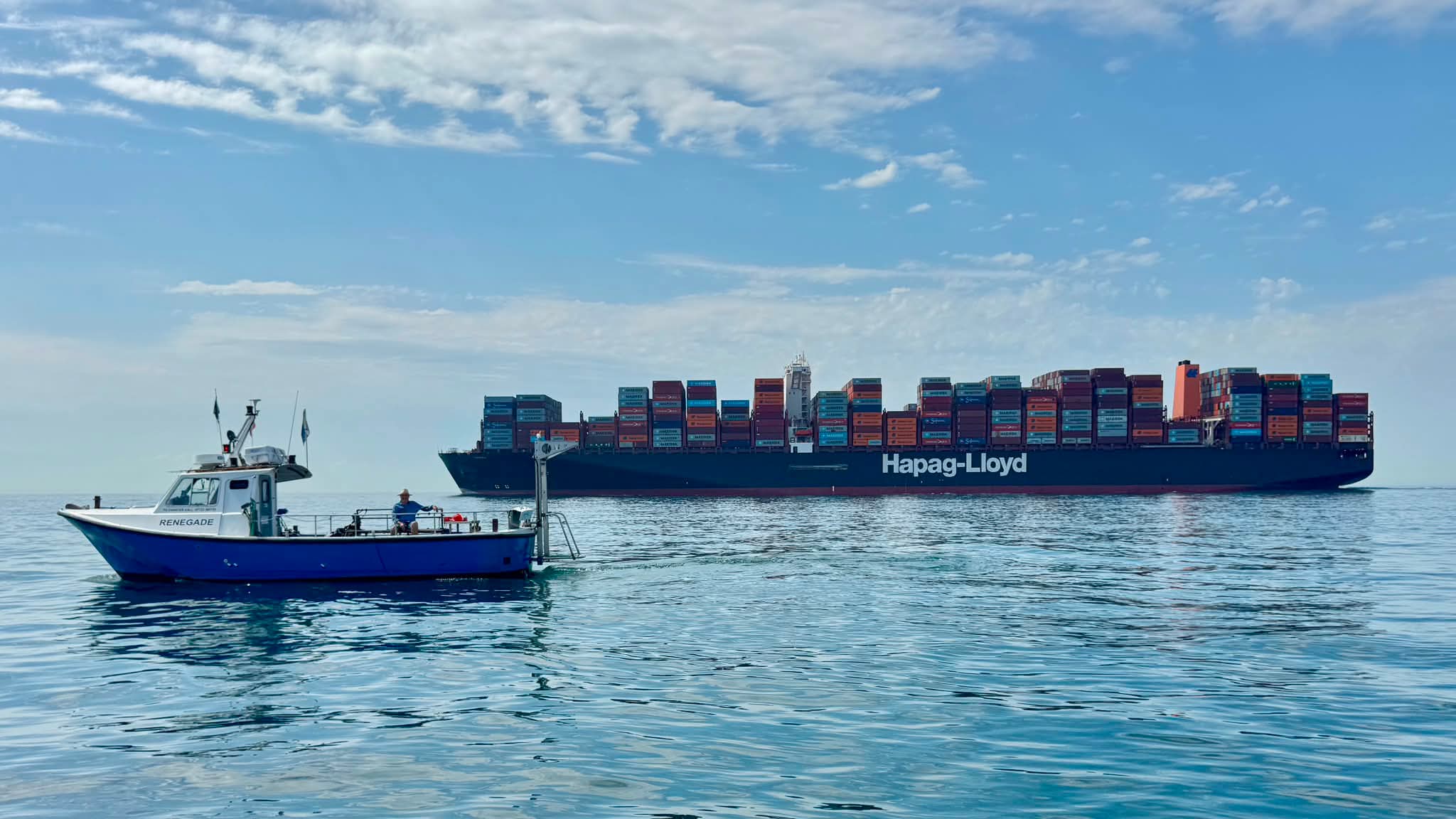
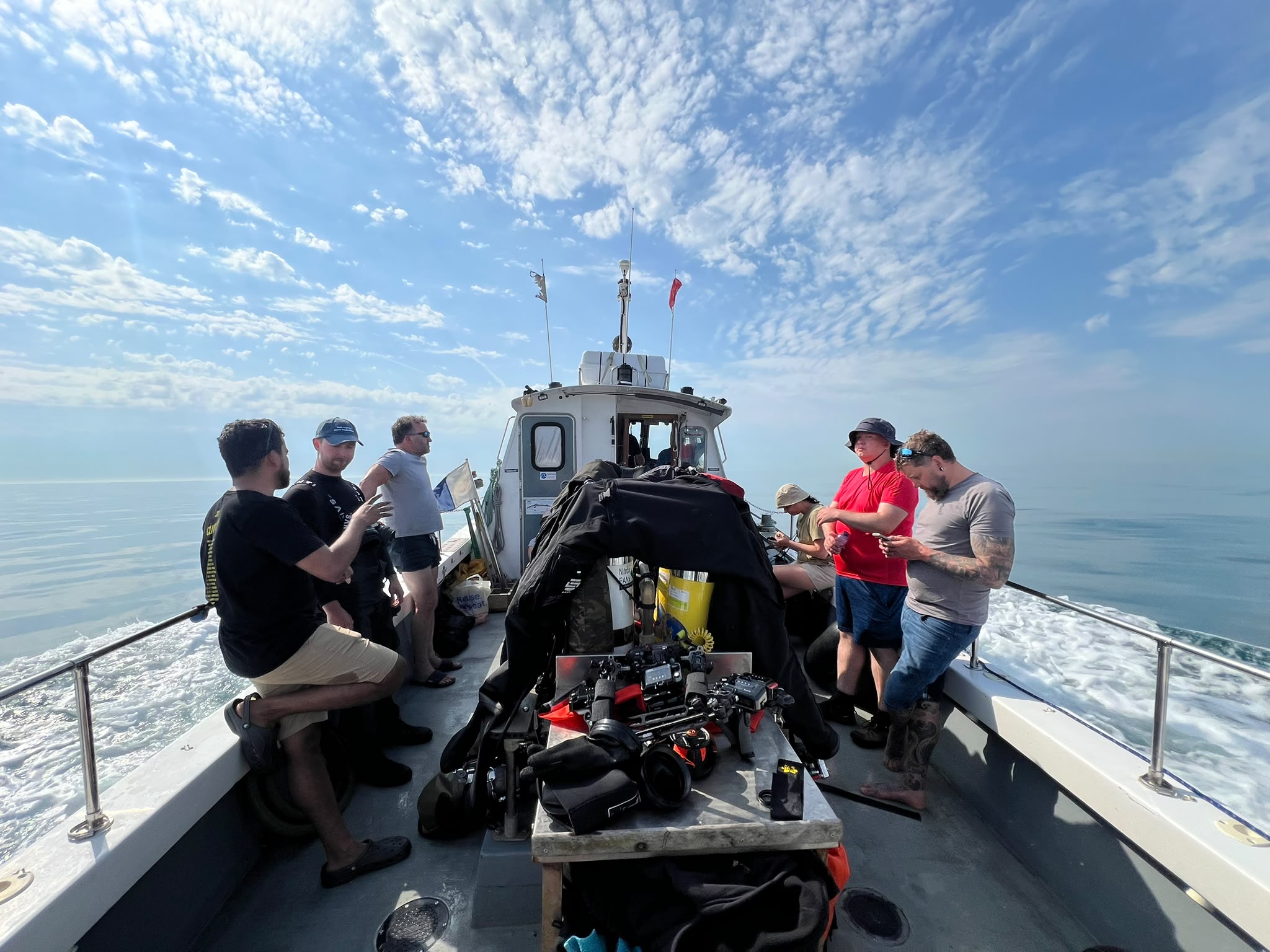
So, nine Clidivers complete with rebreathers, twinsets and deco stages headed to Dover for a day’s diving from Renegade, joining Mutiny Diver’s usual charter boat, Maverick, on a sunny Saturday in June fortuitously escaping the London heat wave. Due to an early ropes-off we headed down on Friday evening and the Kent Coast only an hour-and-a-bit drive away was mercifully 10 degrees cooler than London. We even had heavy rain showers with thunder and lightning when we arrived at the marina to load the boat in the morning. But the weather quickly improved to give us a sunny day in the high 20s with a slight breeze and flat calm seas.
Our first dive took us to SS Pommerania, a German ocean liner built in 1873 at the cross over between sail and steam. Pommerania was an iron ship with a steam engine and sailing masts. She was lost on 26th November 1878 in a collision with the British iron barque Moel Eilian with the loss of 38 passengers and 11 crew. The wreck lies upright but broken through salvage in 30m about 4 miles South of Dover, just outside the Southbound shipping lane
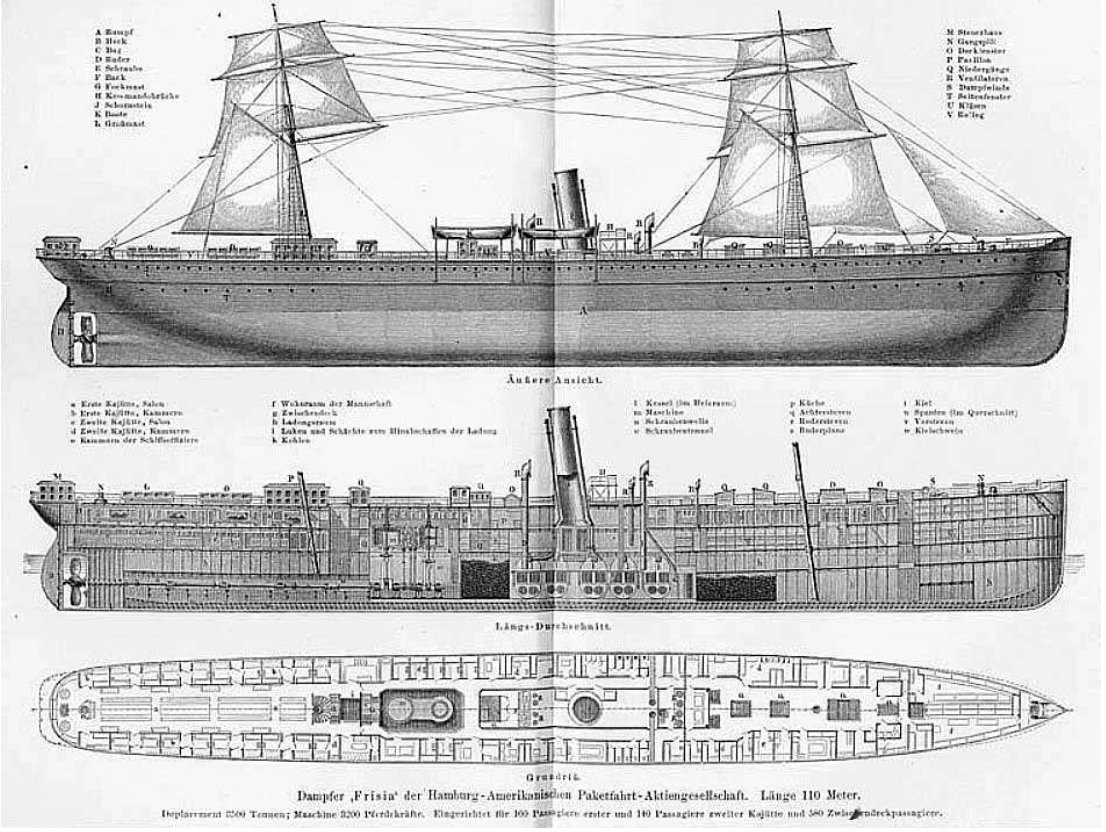
There are many identifiable parts of the wreck to use for pilotage including large admiralty style anchors, mast stubs, engine, boilers and deck hatches. There is also treasure though we didn’t find any this time. On a previous trip I saw a silver spoon recovered by someone who the previous week had found a gold pocket watch chain and case in the area of the first-class cabins. Serious scavengers around here study wreck layouts so they know where to head to find the good stuff.
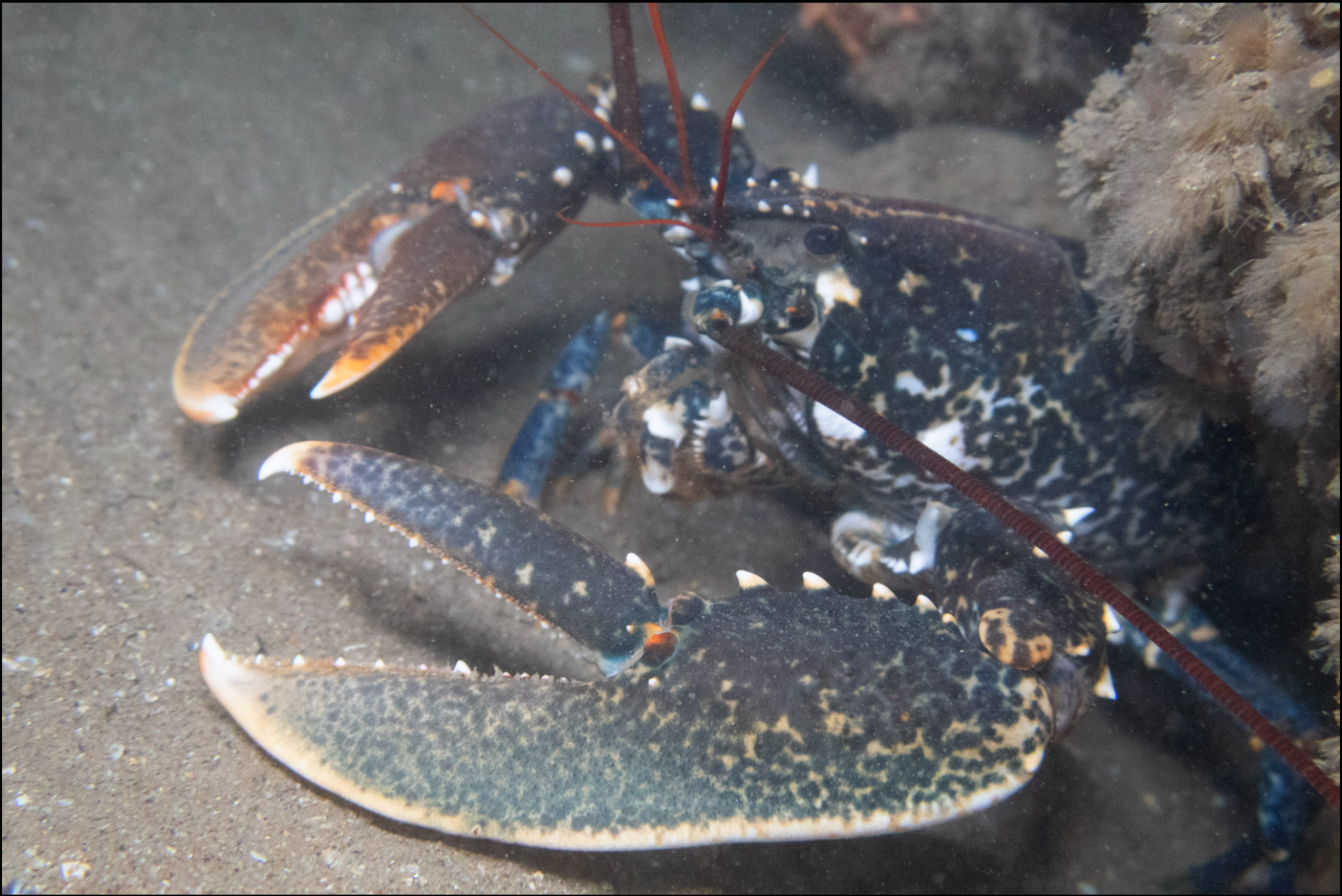
Like many of the Dover wrecks Pommerania is covered in life with thick shoals of bib and poor cod, large ballan wrasse, mackerel up above, lobsters and crab of all sizes, and congers. And in a theme for the day almost every square meter had at least one pair of Tompot blennies. They were everywhere with the occasional alternative blennie species thrown in for the sharp eyed squidge fanciers.
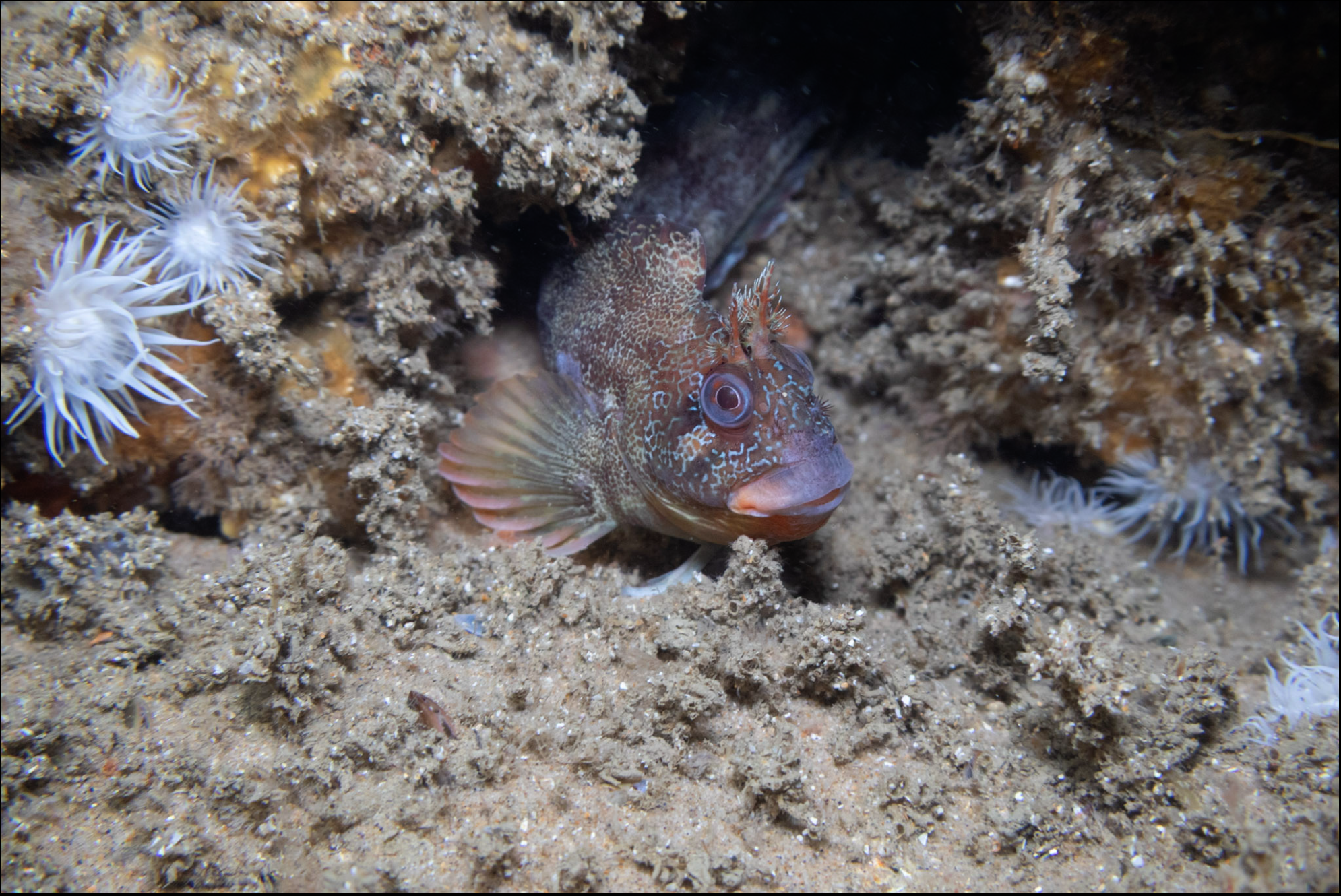
This was a great warm up dive in 5-7m of visibility and only a small amount of current at the beginning and end of the dive. Like most dives in Dover near the shipping lanes or ferry crossing routes you are asked to find your way back to the shot line for ascent so getting comfortable with underwater pilotage or deploying a distance line is essential. This was going to be even truer for the second dive of the day on SS Cuvier which lies within the busy Southbound shipping lane just South of the South Falls about 16 miles North East of Dover.
The tides in Dover which is a (or even the) major tidal reference port, are of course as predictable as anywhere else with slack arriving roughly when it should if not always exactly when the tidal atlases predict it. But because it runs strongly between slacks its essential to be there for slack and the local skippers usually make sure you are. A very predictable 6 hours and 20 minutes after entering the water in the morning, we were jumping in on SS Cuvier for an hour of diving in perfect conditions with 7m+ of visibility at 40m in a balmy 16°C sea.
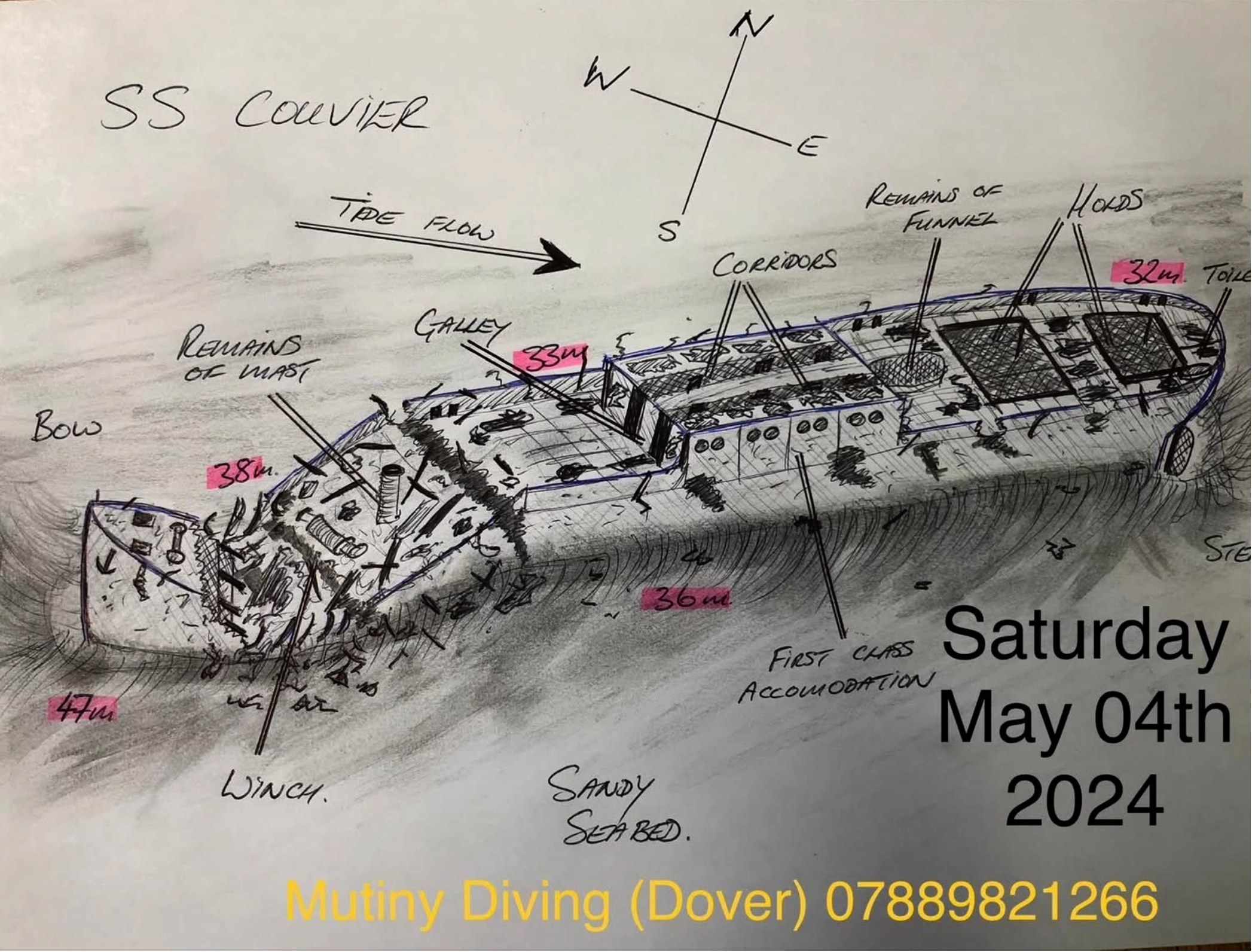
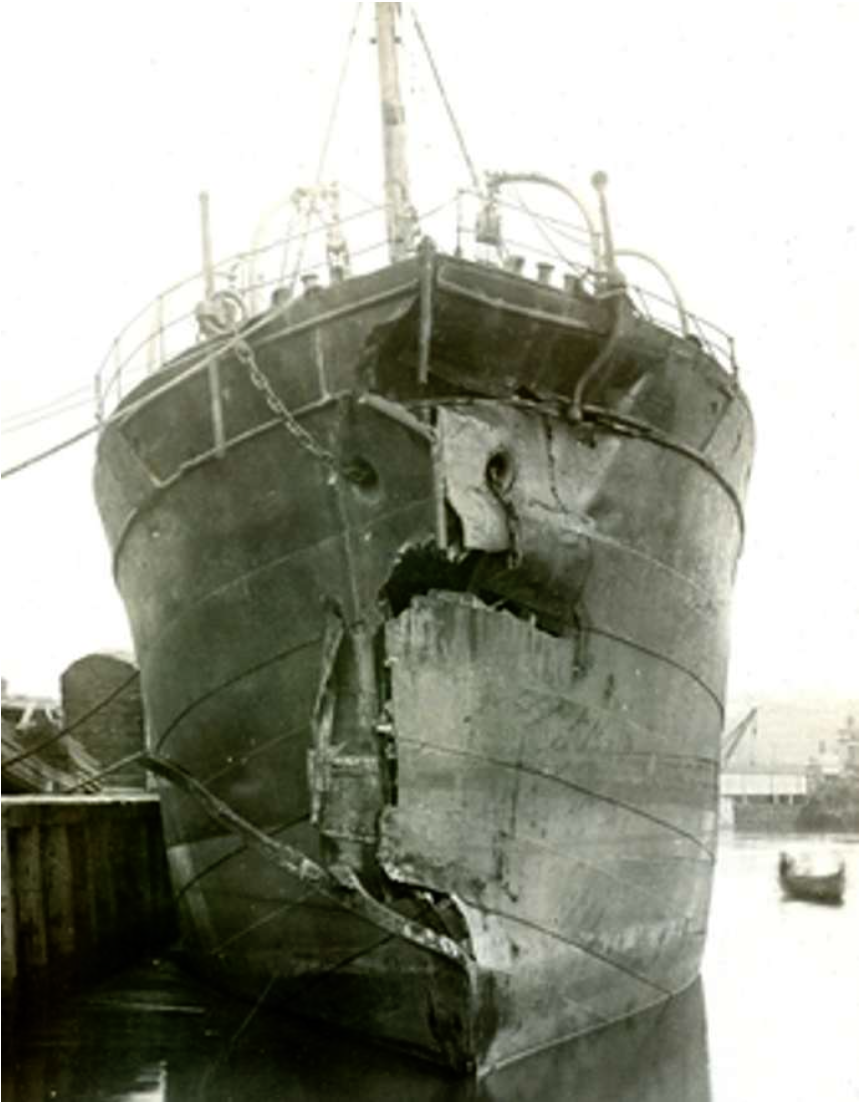
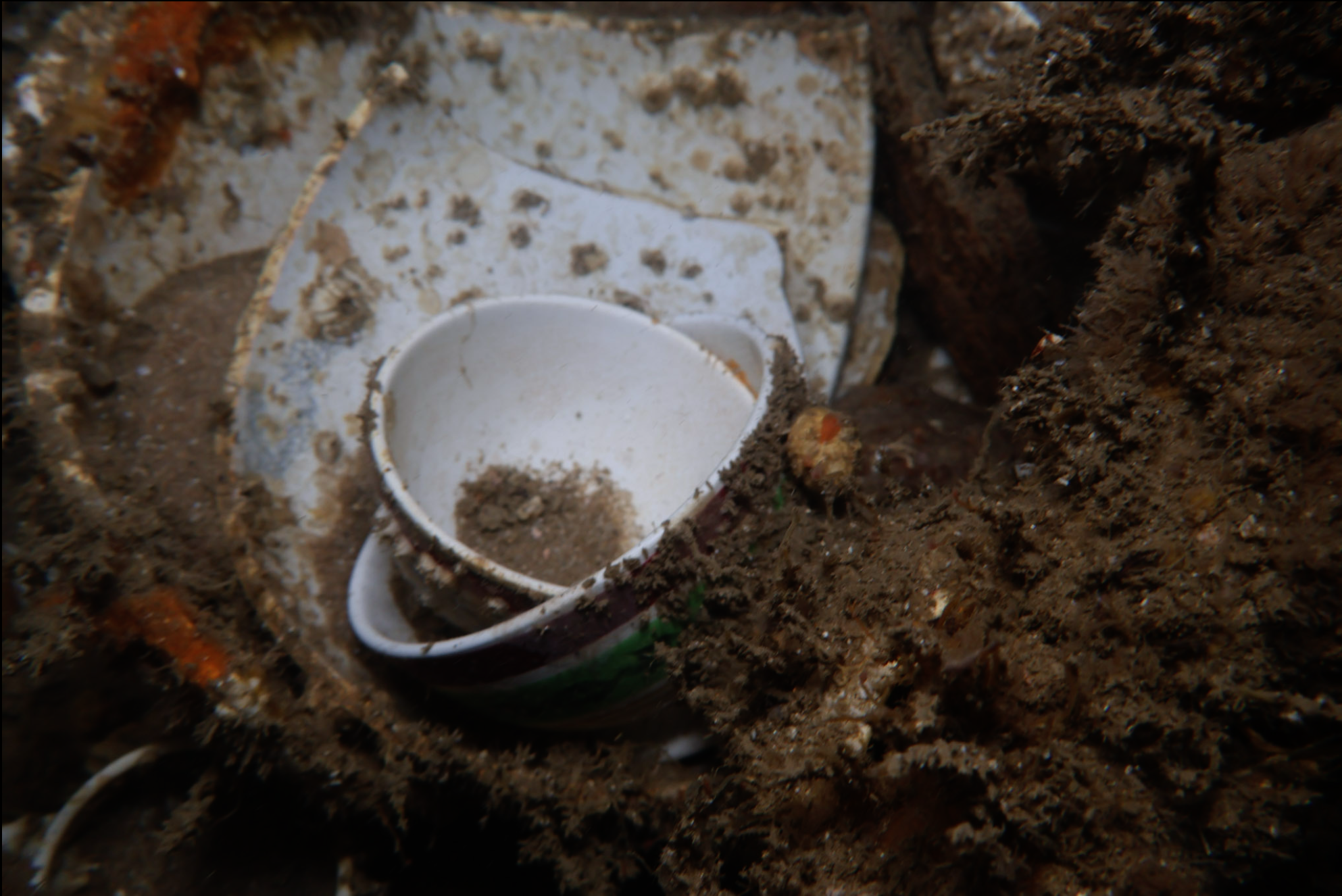
Cuvier is a fantastic upright wreck famous for its large cargo of crockery, and loads of life, with huge lobsters, crab and (again) blennies everywhere. Dense clouds of bib crowd inside the large holds, across the deck and in the remaining patches of superstructure. Cuvier was an iron ship built in 1883 by A Leslie & Co Newcastle with a 2-cylinder steam engine by Robert Stephenson & Co. Cuvier was 302ft long and 1499 net tons. On 9th March 1900 she became the first maritime ‘disaster’ of the twentieth century involving an ocean liner when she foundered following a collision with SS Dovre (which did not stop to assist). Between 26 and 38 people died, all crew, though Cuvier could have carried up to 80 passengers. There were only three survivors.
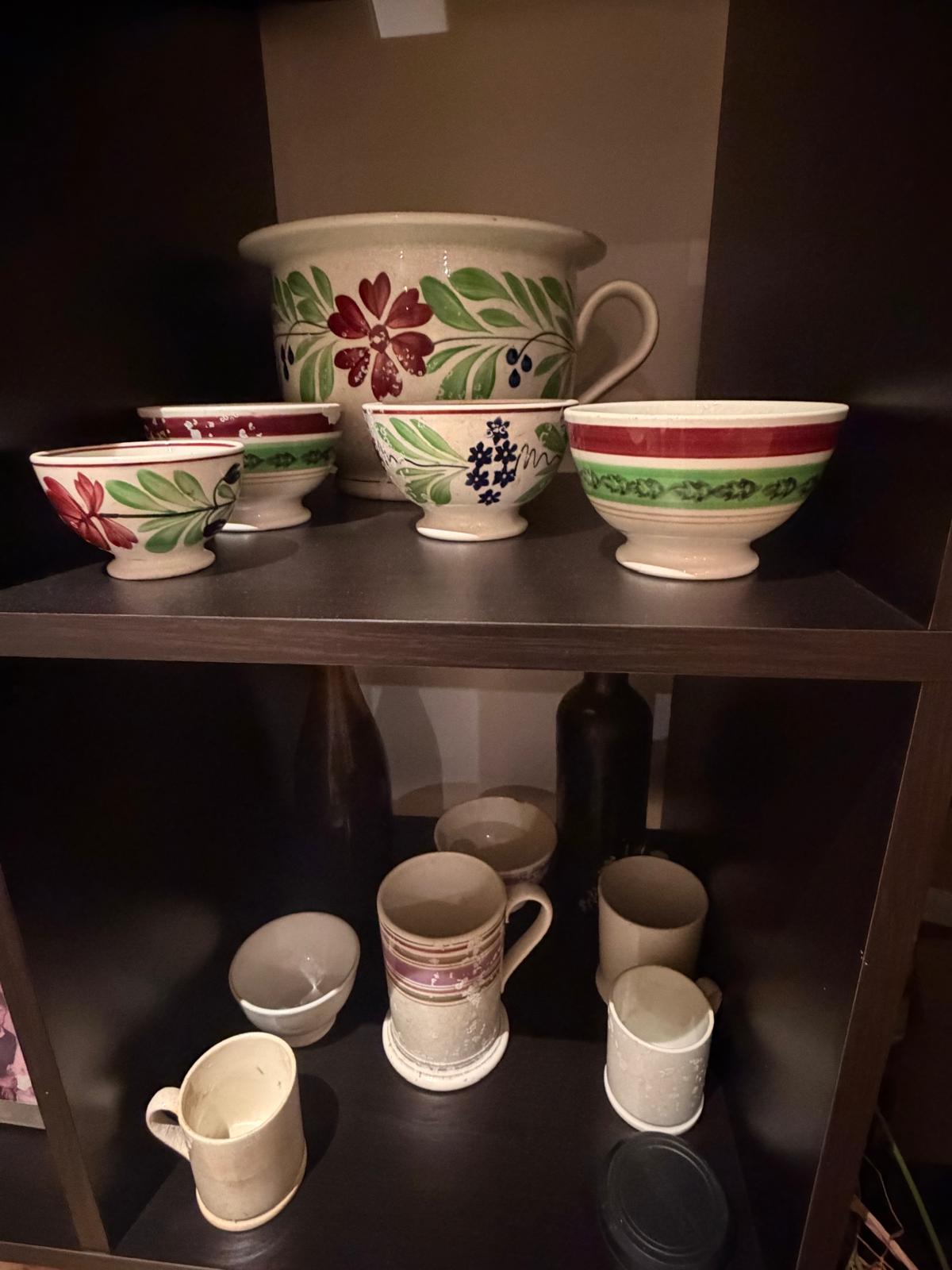
Some of our divers brought up pieces of the crockery (don’t forget to tell the Receiver of the Wreck people!). The crockery is Dutch and was headed to Rio from Antwerp. Collections of this crockery now adorn many divers’ homes, including mine. It isn’t valuable as it was mass produced for general stores, but if you can find one of the unbroken pieces who doesn’t need a spare commode?!
Because of its depth, size, and complete structure plus all the things to see around the wreck it is always an atmospheric dive. You are also often accompanied by the bass line pulse of passing ships’ props that can pass within a 100m or so of where you are diving. The skipper up above is in constant contact with ships’ watches and local VTC, and these large ships though close are steering clear of the divers. On this occasion a particularly large container vessel passed very close to us with a loud constant thrumming beat through the water. Combined with the runway of strobes attached to the bottom of the shot line to guide us back it had a bit of a deep dark club feel about it at times. There were a lot of very happy divers back on board an hour or so later enjoying the long ride home in the afternoon sun.
If you want to get a feel for diving the Cuvier then Matt Brown’s video of his dive with Michael is a great place to start:
Dover is a fantastic place to dive if you love wreck diving. With an experienced skipper and good weather there are hundreds of wrecks to be explored just over an hour from London. Some of them are visited time and again because they are so good, but there are always more being found. This trip reminded me why I love diving in the shipping lanes and made me determined to get back out there sometime soon.
 We are an LGBTQIA+ friendly club
