
By Stefano Ferron
We had two amazing days of diving along the coast of Portland: the first, sunny and not too windy; the second, a bit more eventful in terms of weather, with wind, waves and some rain.
Day 1: A day of realisation
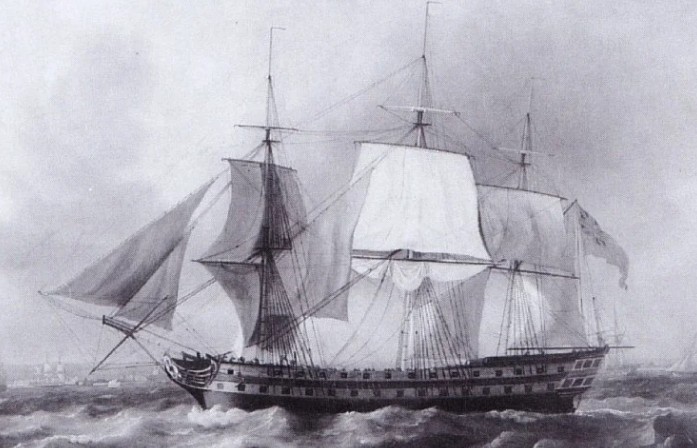
For the first dive, we had an easy location – just outside the harbour, looking for the wreck of the Earl of Abergavanny [Ed: Sunk in 1805 with the loss of all 250 hands, including the captain, who was famously the brother of William Wordsworth].
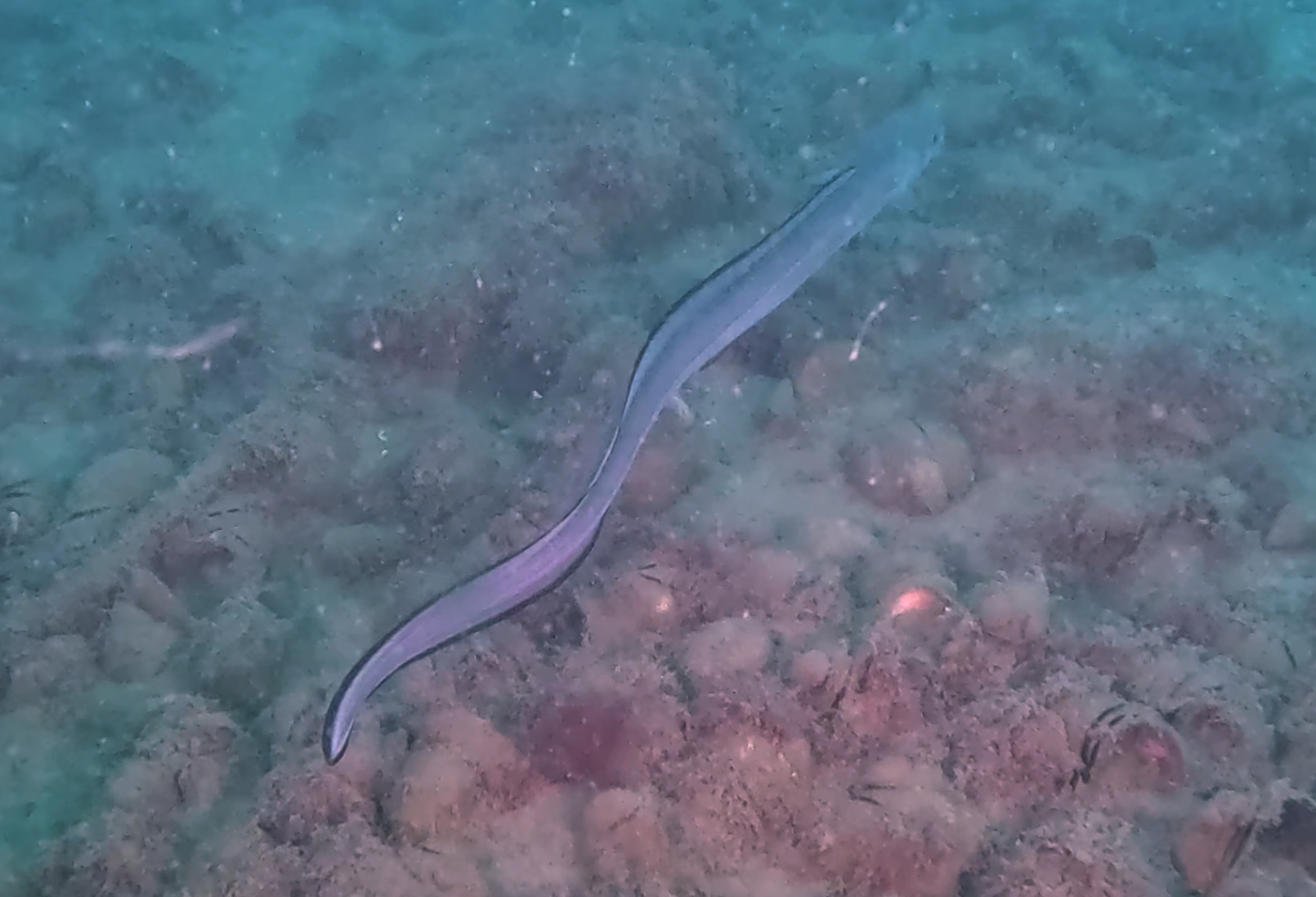
Matt dropped the shot correctly according to the chart and the coordinates, but none of us could spot anything interesting. The seabed was mostly sand, with some crabs, shellfish, a few tiny starfish, one eel and some pieces of old bottle, most likely related to the wreck. Matt spotted an anchor too, but it was a very recent one.
After about 30 minutes, Matt asked me to release my DSMB, and then something weird happened. For some reason, it was dragging me away and pulling me up. Several times I was about to let it go to avoid an incident, but as soon as I was about to do so, it behaved ‘normally’. It took me up to 4m and I got scared but tried to stay calm, swimming down when it wasn’t pulling me.
I could see Matt was very calm, which helped a lot. He was trying to understand what was happening to my DSMB, but even after the dive, he couldn’t figure out the reason for the situation. Fortunately, nothing happened, but it was another helpful situation to understand how to stay calm and how to act to keep yourself safe.
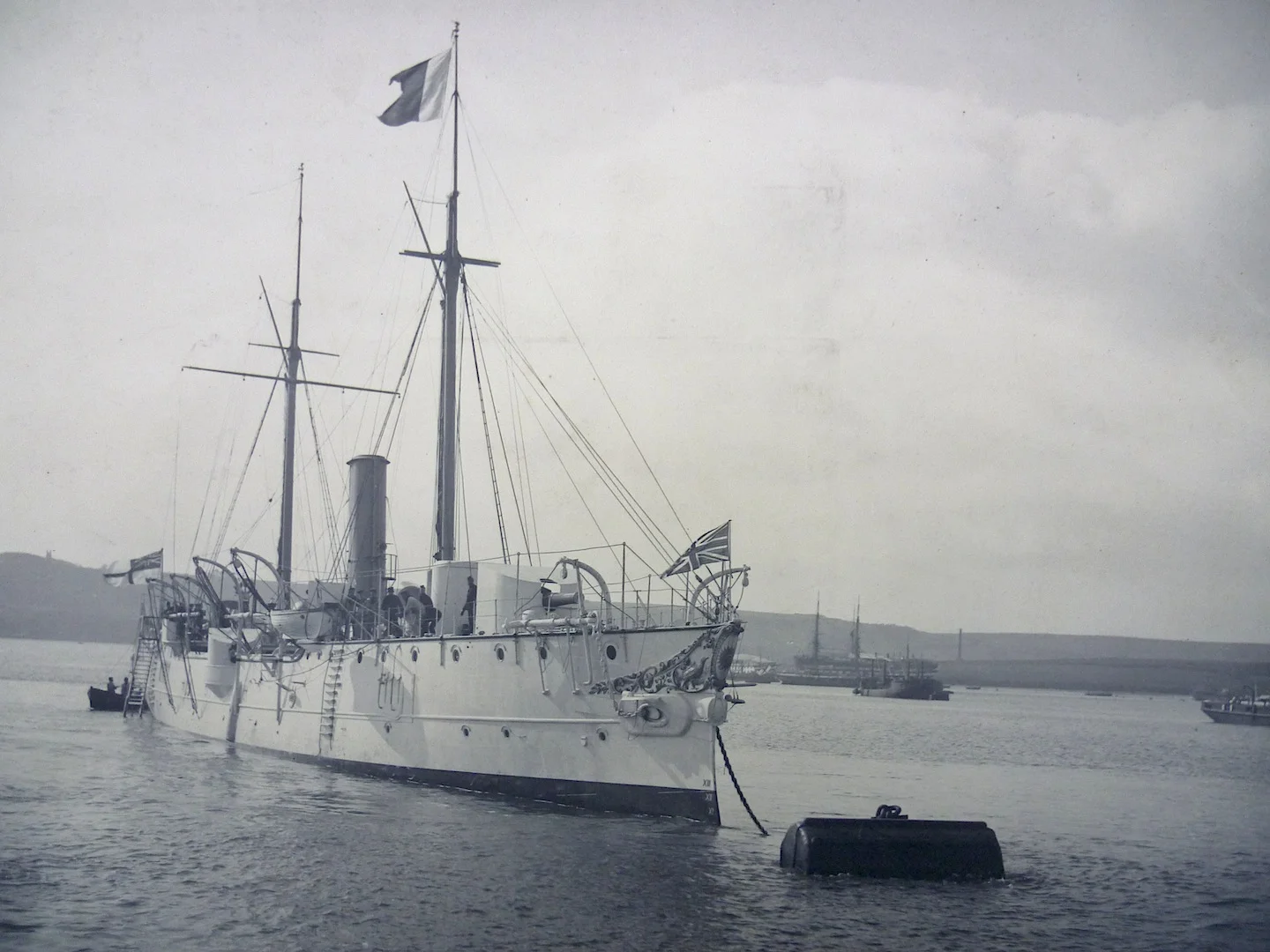
Dive 2 was our reason for being in Portland and was absolutely stunning! The Landrail is such a preserved and massive wreck, and it was mesmerising for me to see something like that in good visibility! I have seen similar wrecks before, but every time, it seems like the first time!
But let’s proceed in small steps: the wind and the surface current weren’t helping our journey, and of course the wreck was 75 minutes away from the harbour.
Getting there in rough weather was so much fun! Luckily, Marta (the trip’s Drugs Manager – a new role for Clidive trips) helped me and others with some seasickness pills, so the journey this time was definitely better than last time. [Ed’s note to Stefano: bring your own drugs next time!].
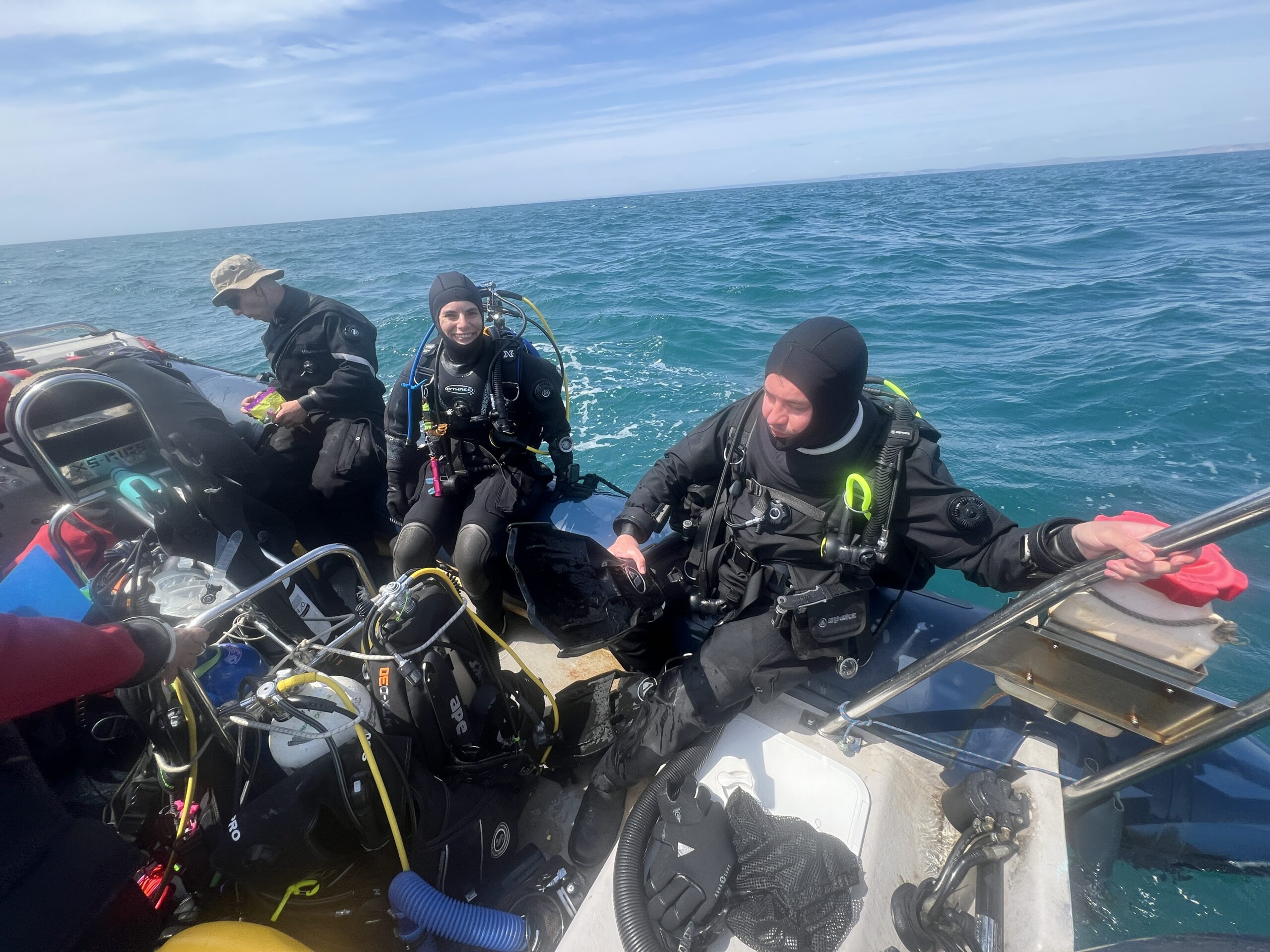
We launched the shot twice: the first time, Marta and JP went down, but unfortunately didn’t find anything and immediately sent up their DSMB. After the recovery, we pulled the shot back in and redeployed it. We jumped in the water as soon as possible to avoid missing the slack.
I was with Brendan, and, as we descended, I had the familiar feeling of uncertainty, darkness and a slight fear of the unknown … all of which make the underwater experience absolutely thrilling! Everything gets darker around us; everything becomes quiet; you can only hear your bubbles and breath – nothing else. 30m seems such a long way. Nothing, nothing, nothing, then … the wreck appears. The visibility was maybe 10m; there was no current and no problems.
I take a few moments to check my buoyancy, check my regulator, understand where my buddy is and where I am. Then I switch on the torch… and I can see it in front of us, so well preserved, full of life, so many holes to look into. I have an irresistible desire to go inside and see what’s in there! There is no way we can do it, but there are so many things to observe.
The dive lasted for about 30 minutes, with a max depth, for me, of 34.4m. When we ascended, I had a sense of pride in myself and a sense of realisation. The first time on the M2 [see the previous trip report] was fantastic, but seasickness stopped me fully enjoying the experience. This time no. This time I was so excited, so calm and so happy. This is why we dive. Or at least, this is why I dive – this is why I do what we do. That darkness, that tranquillity, that unknown is my calm and peaceful place.
A day of rough weather, perfect shots & more lessons
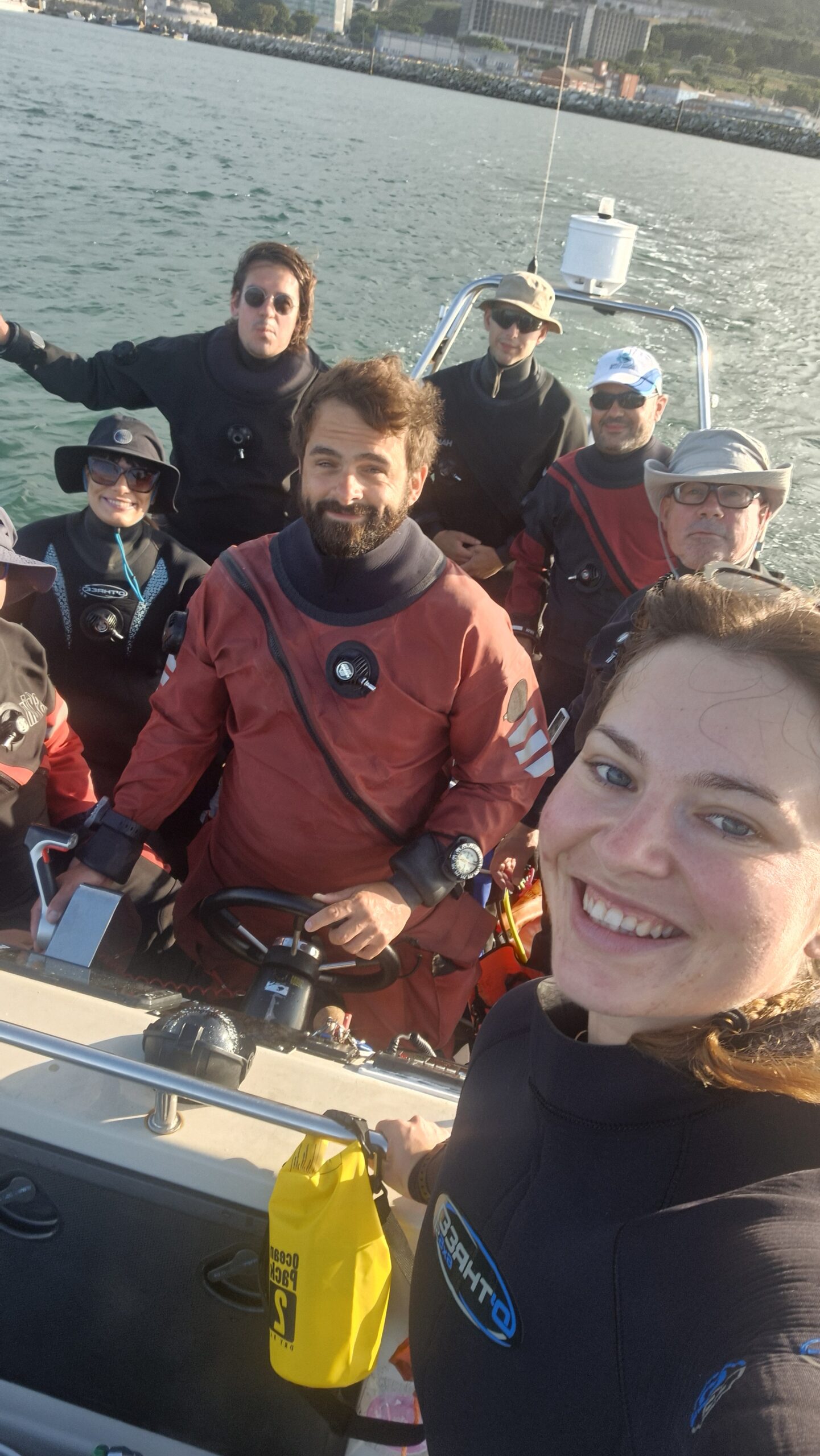
Matt and Marta let me drive the boat, even though the sea got a bit rough as soon as we left the harbour. Getting to the location was very stressful for me but I guess you have to be in rough water if you really want to learn how to drive! And we did it, arriving at the British Inventor [Ed: It sank on the Lulworth Banks in June 1940, after hitting a mine and lies at c18m. See deeperdorset.co.uk for more information.]
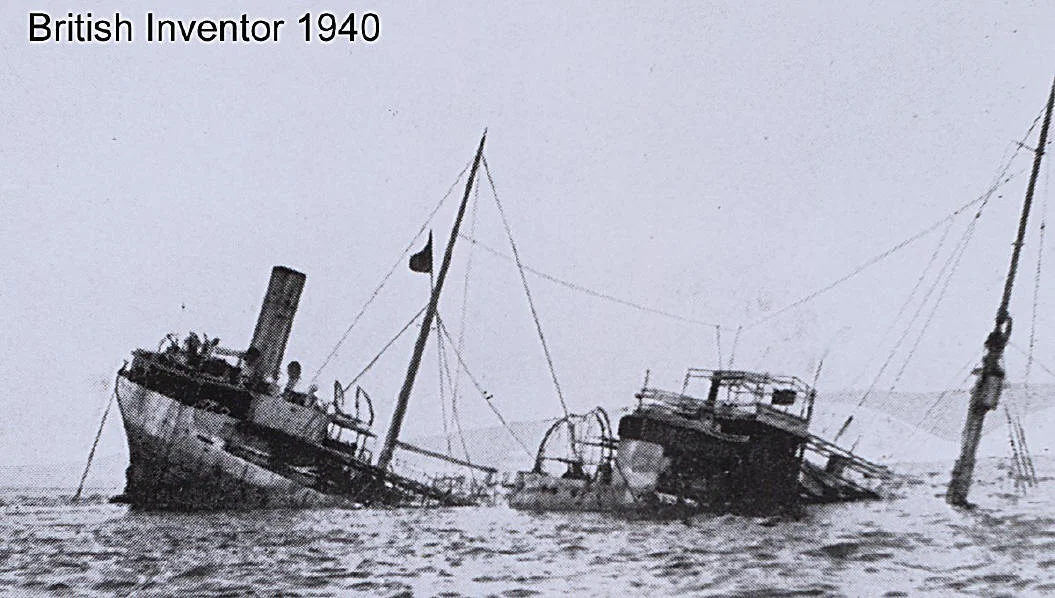
We prepared the shot while I fought the waves and the wind, trying to find the exact spot. The wreck was slightly off our coordinates but when I found it, the shot was ready. Jaka called it and Matt – without hesitation – shouted to drop it. Perfect! I’m still wondering how to drop a shot with that precision. Matt once told me ‘only experience’ – not a very useful lesson but I think there isn’t any other way!
With the wreck shotted, dropping the divers in the right spot – getting current, direction and wind right – wasn’t so easy. I struggled a little bit, but Marta rightly told me: ‘If you learn in this weather, you can do it in any weather!”
There was a bit of a hurry and worry about the actual situation on the seabed: current? visibility? While we were kitting up, Marta and Antonia spotted a red buoy quite far away and Marta, now coxing, asked us to stop while she moved in that direction until we were sure it was a buoy, not a DSMB. We finally got ready and Brendan, Matt and I entered the water. And here, the magic happened.
I was the first one heading down the line and. again, the same emotions: darkness, curiosity, fear, excitement. Deep breaths; eyes fully open; clear the ears; check the regulator, buoyancy, everything okay. As we got closer, it happened: the seabed was moving! I was thinking: how is that possible? Is it the current? It must be something completely unknown to me! But after a few meters, I realised it wasn’t the seabed, but a shoal of fish! We dived inside it, and they were all around us.
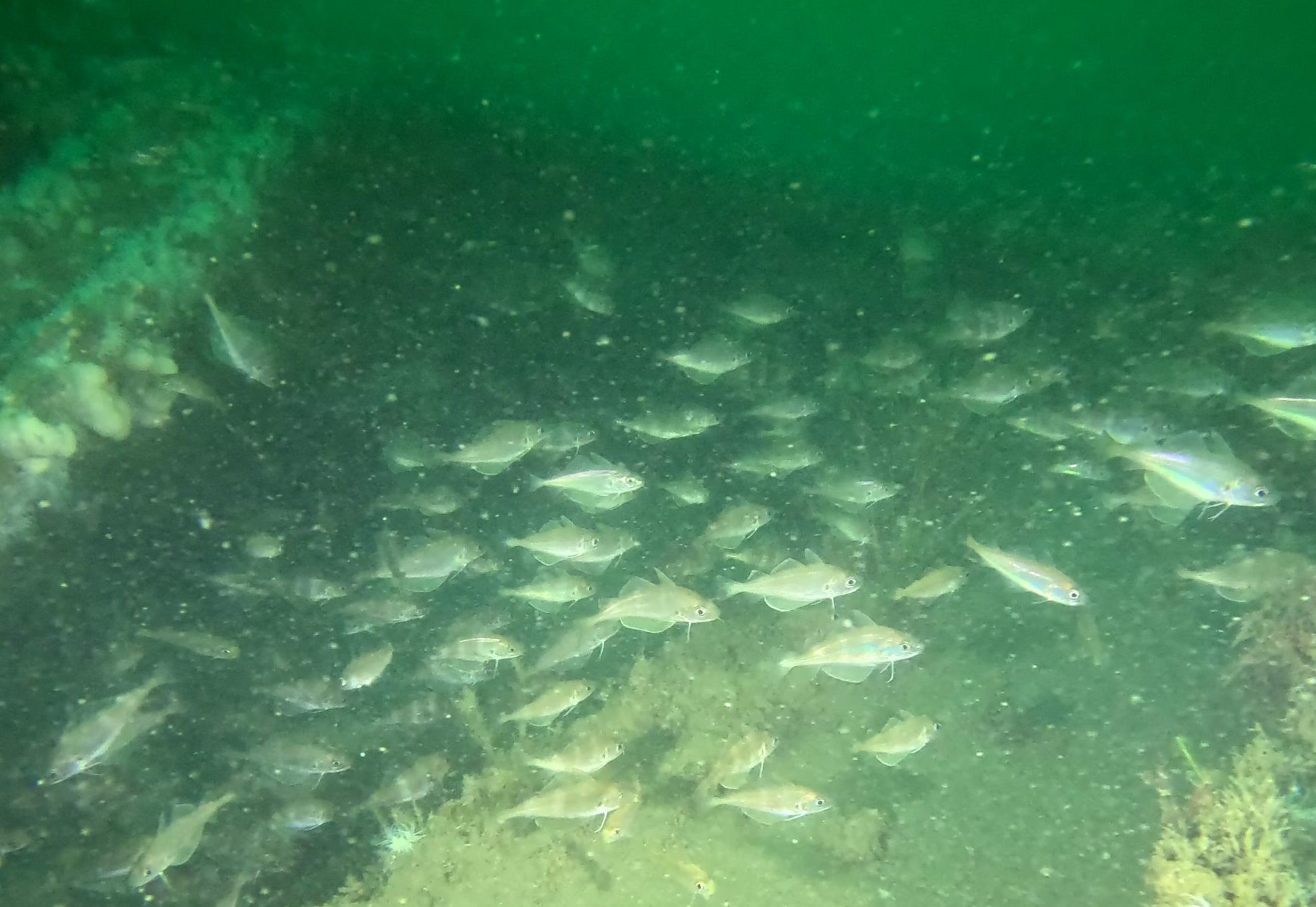
As soon as they moved away, The wreck was there, or what remains of it. It was full of life: crabs, lobsters and huge flat fish, but especially that shoal of fish. At some point during the dive, I stopped and was completely surrounded by them.
This reminded me of two things: first of all, we are guests in that world; we are not part of it – we are exploring it and it lets us do so … or sometimes not. Be careful out there; be conscious of your surroundings, keep your eyes open and your mind vigilant; be respectful. The second thought was how calm I was in that moment, how everything was surrounding us: who was the one curious? Us? Them? Especially seeing Matt with a rebreather with so many fish around him, it was amazing! We left after 32 minutes and reached the surface at 42 minutes.
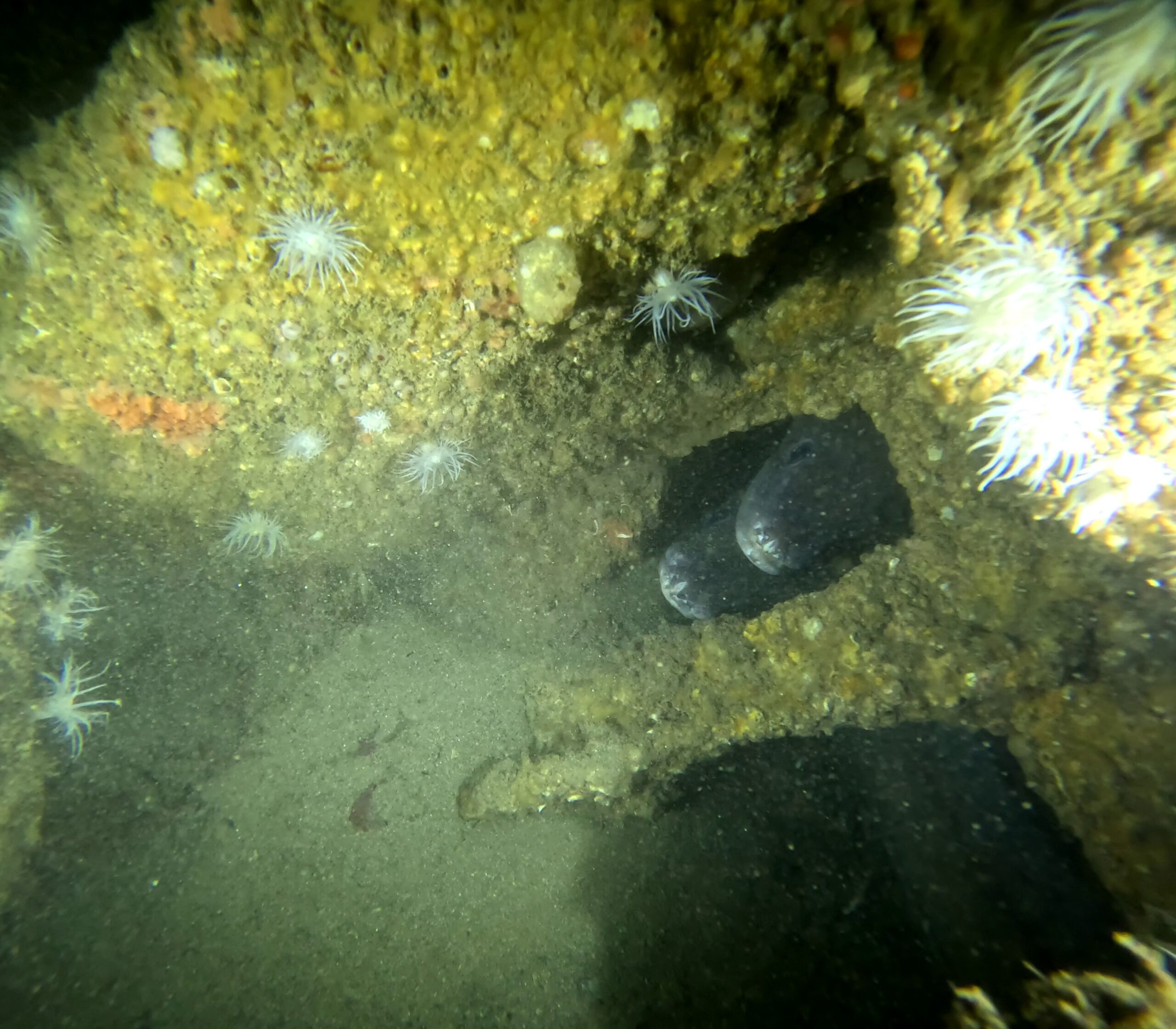
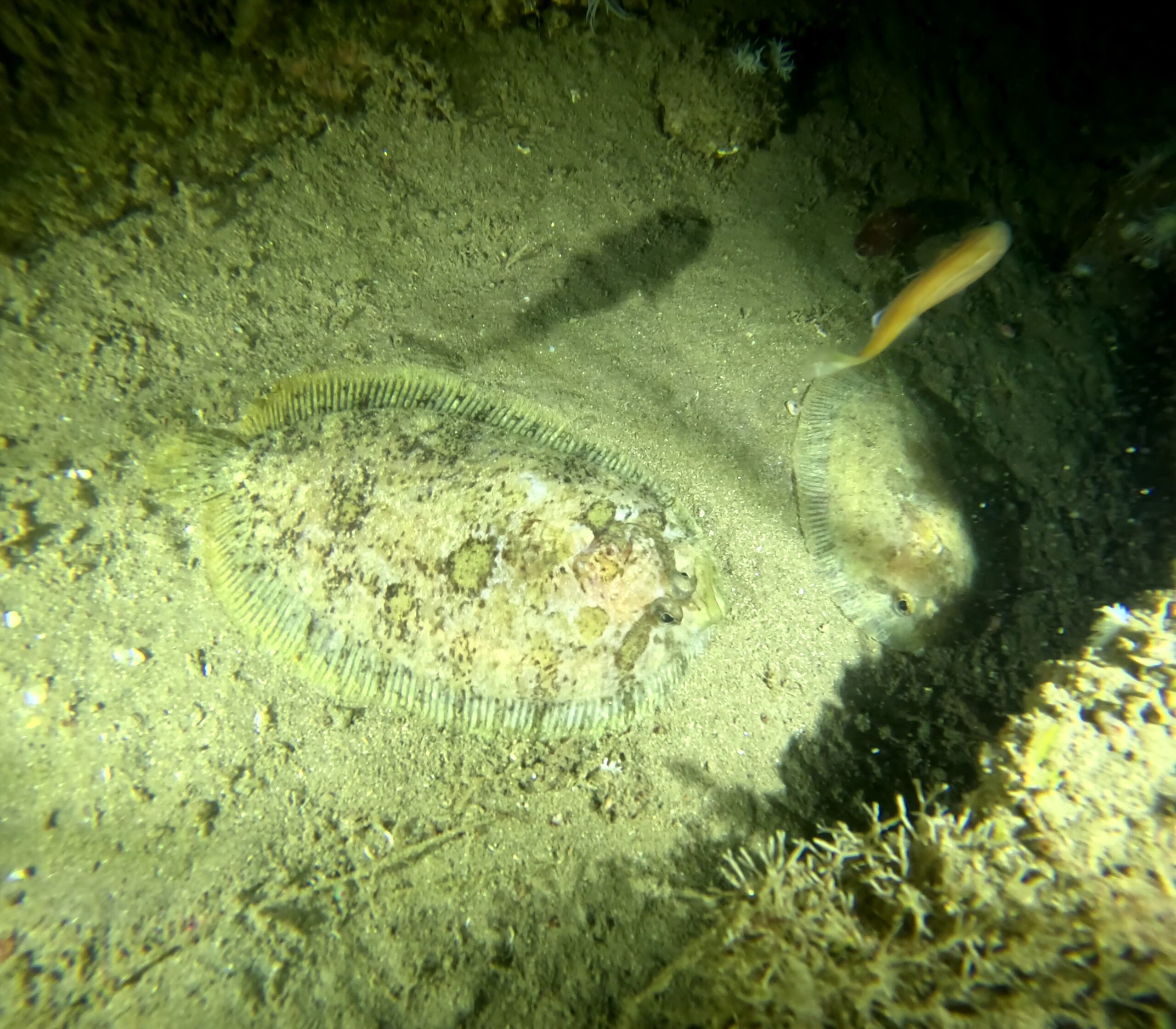
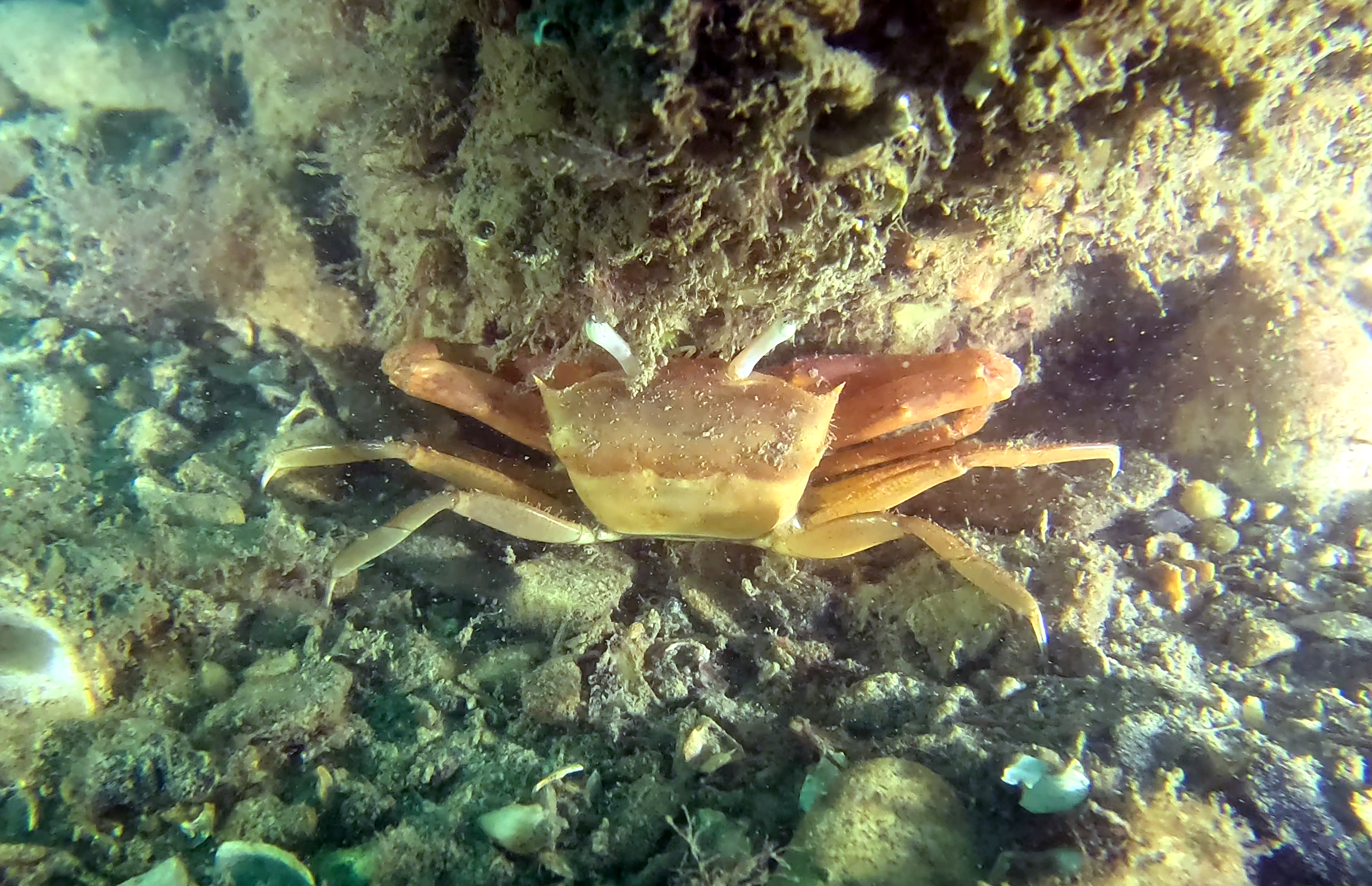
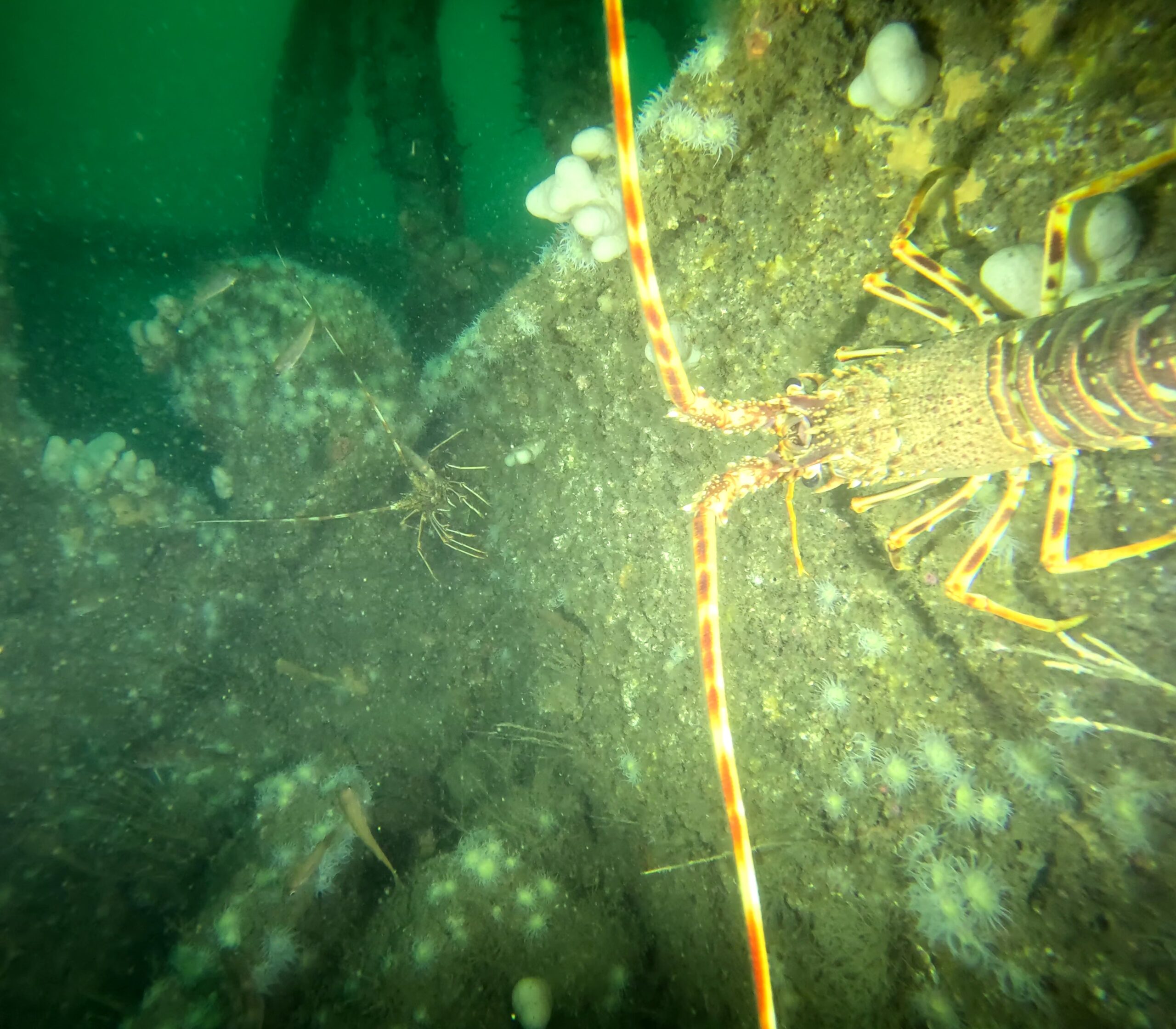
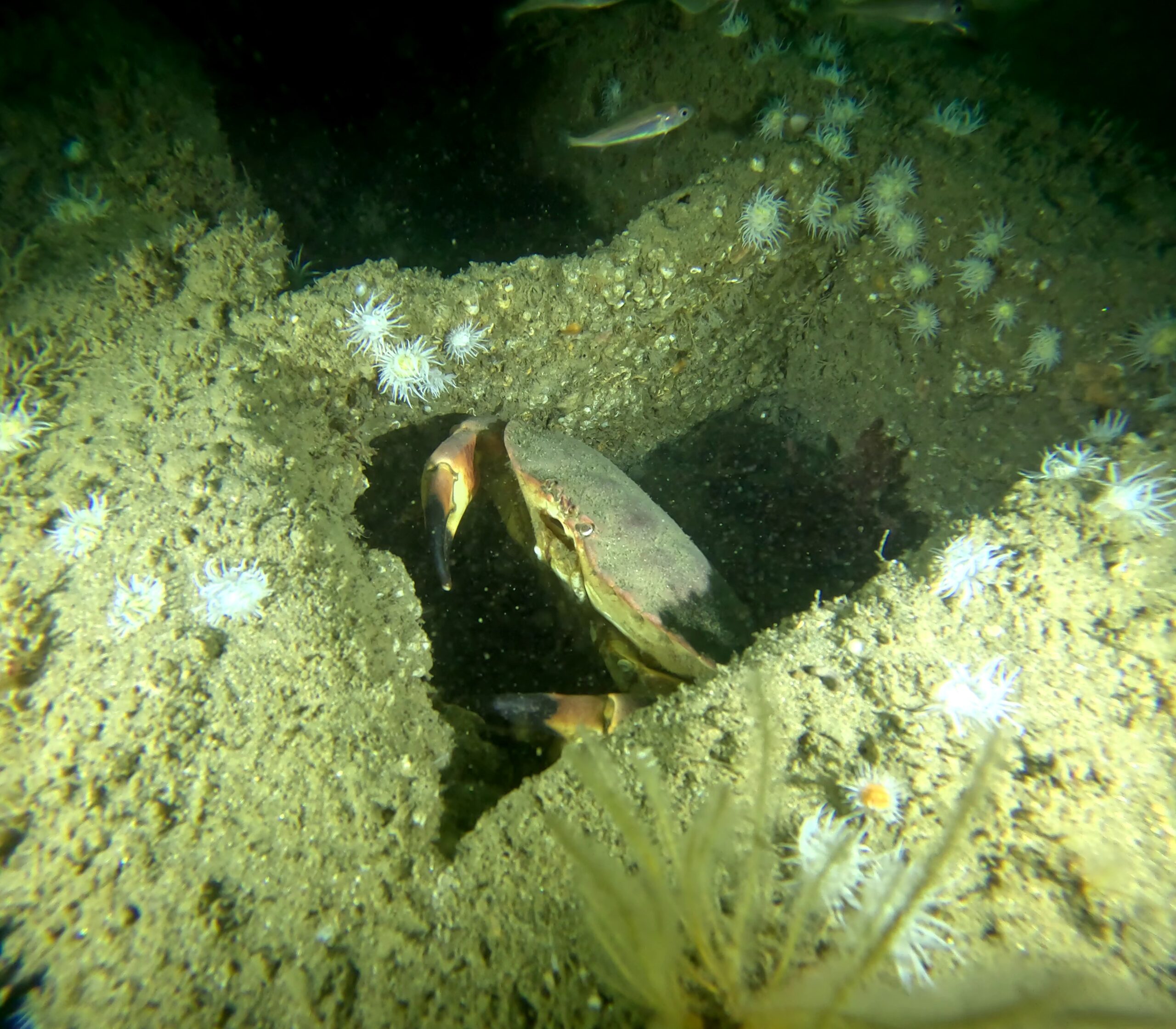
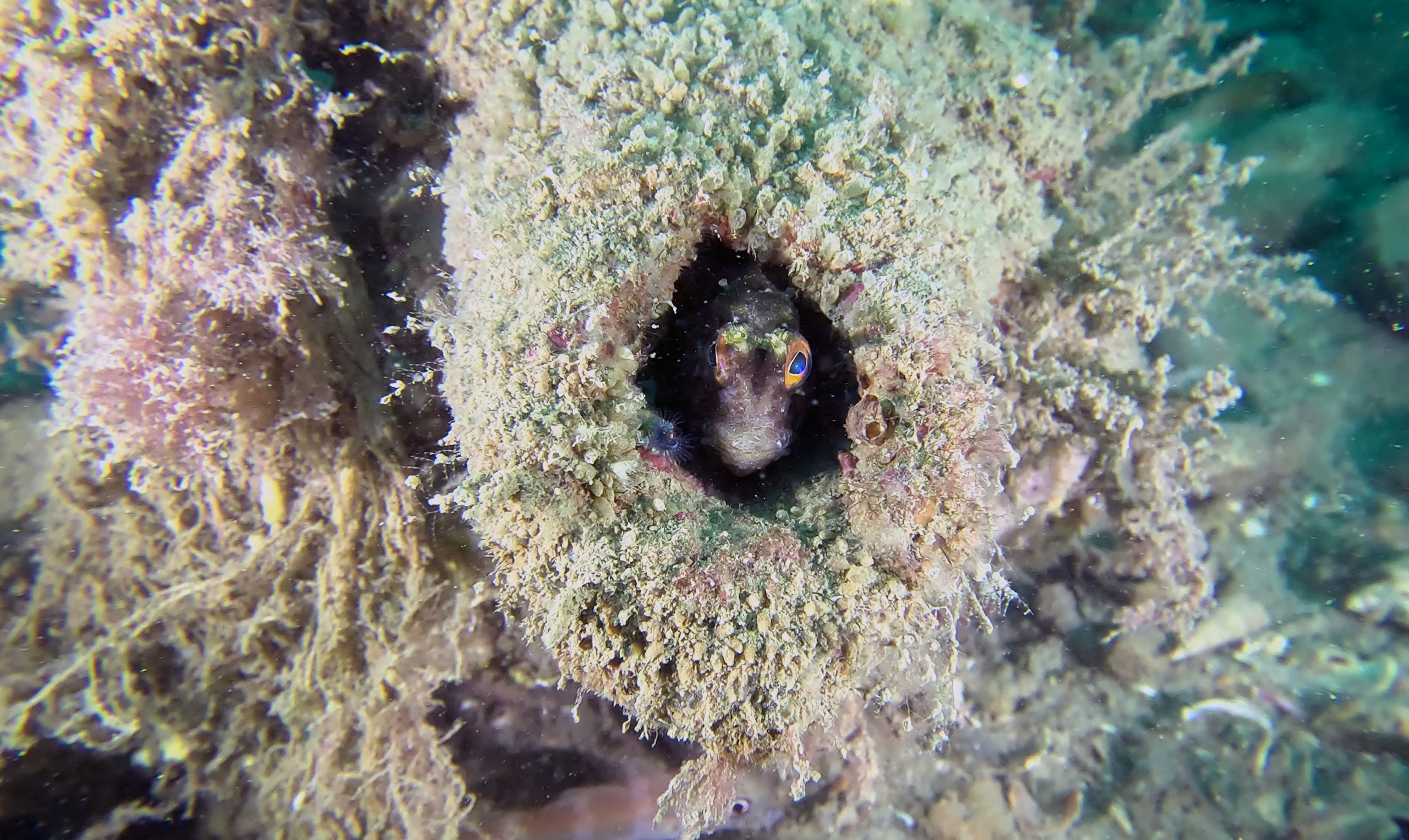
Just some of the wildlife to be seen on the British Inventor
I was feeling happy but tired, so decided with Gio, Antonia and Jakub to decline the last dive and head home to London earlier than planned.
Trips like this and the others I’ve done so far remind me every time why I do it; remind me how beautiful our world is; remind me how we have to behave; remind me how simple we are (although very complex) in this ecosystem. I love water; I love the depth, I love the life.
Plan the dive – dive the plan – enjoy the planned dive!
[DM’s comment: In the old days I am sure the sudden loss of half the crew would be classed as mutiny. Anyway, times have changed so we let it slide. Matt, Marta, Jaka (cox) and I went off to dive the chequered fort after dropping our tired colleagues off at the Marina. It was lovely and quiet and it felt odd to dive a site that wasn’t trying to blow us to Swanage! A relaxing end to a great trip. Brendan King]
 We are an LGBTQIA+ friendly club
